Aug 20, 2026
What Is an SEG Light Box? Structure, Uses, and Buyer Considerations
Learn how an SEG light box works, when to use one, and what buyers should check for graphics, lighting, setup, transport, power and repeat campaigns.
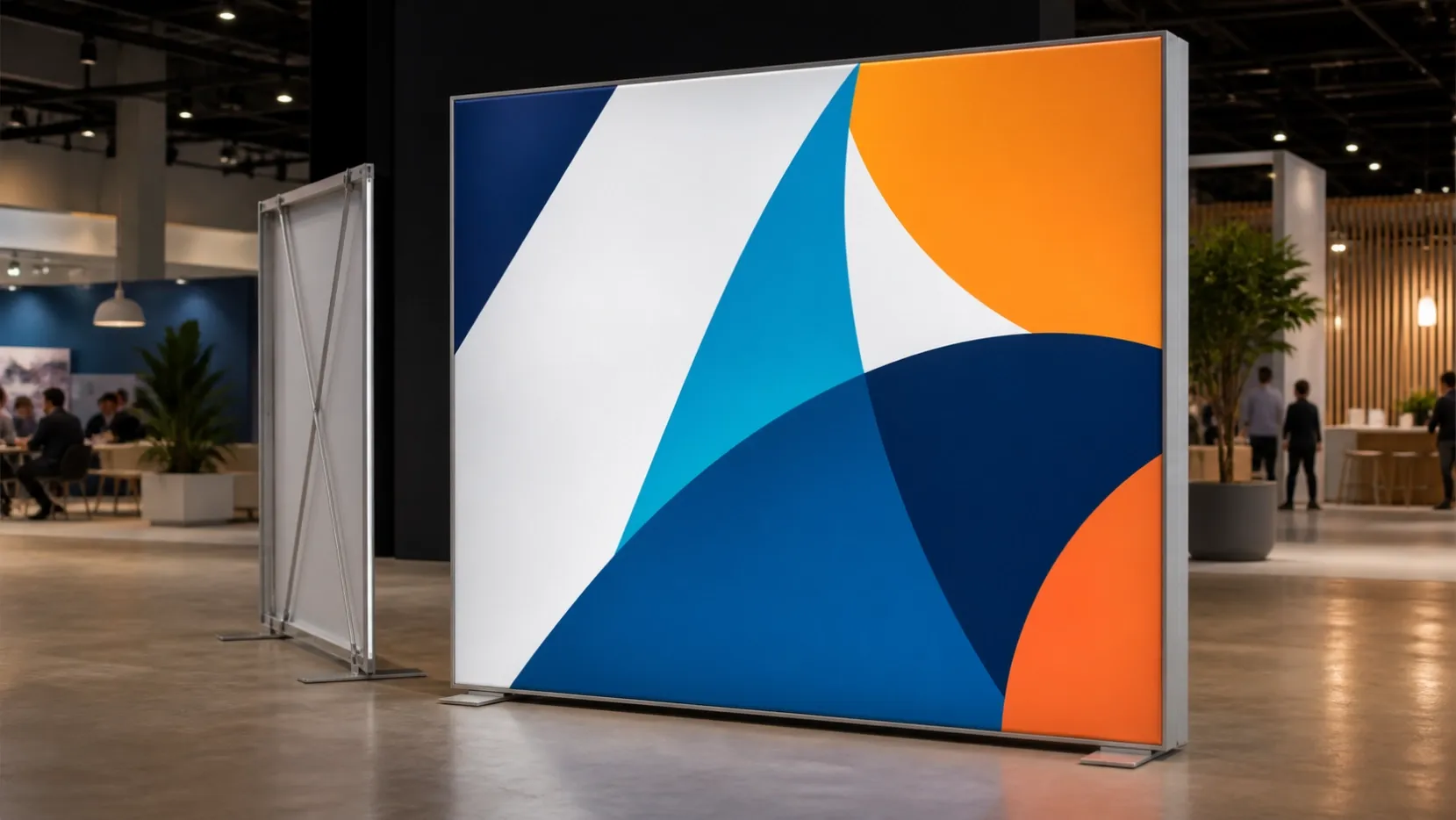
An SEG light box is an illuminated display that holds a printed fabric graphic with a silicone strip sewn around its perimeter. The strip is pressed into a channel in the frame, tensioning the graphic while LED lighting behind it illuminates the image.
It is most useful when a brand needs a clean edge-to-edge visual, replaceable campaign graphics and a reusable structure for retail, exhibitions, roadshows, showrooms or branded interiors. Buyers should evaluate the graphic, frame, lighting, power, setup and transport as one compatible system.
Quick answer: SEG describes the graphic edge, not the light
SEG stands for Silicone Edge Graphics. It describes how a fabric graphic is retained in the frame. Not every SEG frame is illuminated. An SEG light box specifically adds a lighting system behind the graphic; non-lit SEG fabric frames also exist.
1. How an SEG light box works
- The frame is assembled or unfolded according to the selected system.
- Frame sections, feet, connectors and electrical components are aligned and secured.
- The lighting system is connected and tested before the graphic is installed.
- The fabric graphic is inserted corner by corner into the frame channel.
- The remaining silicone edge is pressed into the channel so the graphic tensions across the opening.
- The completed display is checked for wrinkles, gaps, dark areas, bright points, alignment and safe cable routing.
The sequence is simple to describe, but the result depends on compatibility. Incorrect graphic dimensions, silicone-edge size, frame channel, LED layout or assembly can produce a loose graphic, difficult installation, visible shadows or uneven illumination.
2. Main components and buyer questions
- Aluminum frame or profile: confirm the approved material, profile depth, finish, segmentation, connectors, permitted layouts and replacement parts.
- LED lighting system: confirm the layout, uniformity evidence, power, voltage, color temperature, serviceability and destination requirements.
- Power supply and wiring: confirm input voltage, plug type, cable routing, connector system, labeling and relevant compliance evidence for the exact configuration.
- Backlit fabric graphic: confirm fabric, print process, color proof, seams, finished dimensions and packing method.
- Silicone edge: confirm edge size, sewing consistency, corner finish and replacement-graphic compatibility.
- Feet, mounts or suspension hardware: confirm the intended position, footprint, supplied hardware and venue limitations.
- Connectors and accessories: confirm compatibility, labeling, load limits, spare parts and expansion rules.
- Carry case or export packaging: confirm packed dimensions, case count, total weight, component map and carton labels.
3. When should a brand use an SEG light box?
- Trade shows and exhibitions: a reusable illuminated wall, entrance or product zone can provide a clear branded focal point.
- Retail campaigns: the frame can remain in place while the campaign graphic is replaced for approved future promotions.
- Pop-up stores and roadshows: a portable system can create a polished temporary environment when transport and setup are planned together.
- Showrooms and corporate interiors: an illuminated fabric display can support brand, product or wayfinding content.
- Conference or product-launch backdrops: backlighting can help the visual remain present in a competitive or lower-light space.
- Distributor and reseller programs: standardized modules, templates and replacement graphics can support repeat-order control.
For every use case, confirm dimensions, viewing sides, setup crew, electrical access, transport limits and how often the graphic will change.
4. When may an SEG light box not be the best choice?
- The venue has no reliable power source and the visual requirement does not justify an electrical solution.
- The project is a one-time low-budget event where a non-lit fabric backdrop already meets the viewing requirement.
- The display will be used outdoors, but the exact structure, electrical system and graphic have not been verified for that environment.
- The buyer only needs a small close-range message or simple direction that a non-lit sign can communicate more efficiently.
- The logistics plan cannot accommodate the frame, cases, electrical components or destination requirements.
- The team cannot manage artwork, power, replacement graphics and storage as a repeat program.
A useful recommendation begins with the visibility, reuse and campaign-refresh problem. The display should not be specified only because an illuminated catalogue image looks impressive.
5. Choose the correct SEG configuration
- Single-sided freestanding: suited to a backwall with one main viewing direction; check the rear finish, feet, stability and cable exit.
- Double-sided freestanding: suited to aisles, entrances and open booths; check both graphics, frame depth, stability and power routing.
- Wall-mounted: suited to retail, showroom and corporate interiors; check the wall condition, servicing access, electrical concealment and removal plan.
- Modular booth system: suited to repeated exhibitions with corners or changing layouts; check connector logic, standardized modules and packing.
- Portable folding system: suited to frequent events where deployment and transport matter; check actual folded size, weight, hinge durability and repairability.
- Large custom structure: suited to architectural or unusual layouts; check engineering, installation crew, shipping, electrical distribution and venue rules.
6. SEG light box vs other display formats
- SEG light box: illuminated fabric visual with replaceable graphics and a reusable frame; key risks are power, uniformity, graphic fit and compatibility.
- Non-lit SEG frame: clean tensioned fabric without electrical components; performance depends more on ambient light and graphic tension.
- Traditional poster light box: suited to fixed posters, menus or panels using a different graphic-retention method; compare borders, formats and maintenance.
- Roll-up or pop-up display: compact and simple for short events or supporting messages; typically provides a different visual scale and replacement method.
7. Lighting quality is a buying decision
Do not compare fabric light box displays only by wattage or LED brand. The illuminated result depends on LED layout, frame depth, fabric, print density, diffusion, power and assembly accuracy.
- Ask for an illuminated sample or video of the actual profile and graphic type.
- Review the center, edges, corners and connector areas for dark bands, bright lines, LED points or edge shadows.
- Check the display close up and from the expected viewing distance.
- Review dark colors, gradients, skin tones, fine text and large flat color areas under illumination.
- Confirm the intended ambient environment, such as a retail store, exhibition hall or showroom.
- Request power, voltage, plug and destination compliance information before publishing claims.
8. Graphic fit, color and replacement require approval
An SEG graphic is not simply a rectangular fabric print. Finished dimensions, the silicone edge, sewing, corners and fabric stretch all influence installation and appearance.
- Use the exact template for the selected frame series and configuration.
- Keep important text and logos away from channels, seams, corners and modular joins.
- Approve the artwork version, size, side, campaign date and color reference before printing.
- Use a backlit color proof or sample when brand-color risk justifies it.
- Identify replacement graphics by frame series, dimensions, side and campaign version.
- Confirm how graphics will be folded or rolled, packed, stored and reordered.
9. Prove setup, portability and human-friendly use
- FAST SETUP: show the component count, connection sequence, recommended crew, tools and measured setup time for the exact configuration.
- PORTABLE: publish packed dimensions, case count, total weight and the longest packed component only when approved data is available.
- MOVABLE: explain feet, modules, safe relocation and repeat-deployment limits for the selected system.
- HUMAN FRIENDLY: provide clear labels, instructions, electrical connections, component maps and spare-part references.
- BRAND VISIBILITY: use real illuminated examples, backlit proofs and images taken from the expected viewing distance.
10. Translate construction into buyer value
- Replaceable silicone-edge graphic: the campaign message can be updated separately from the frame, helping retail and event teams reuse a compatible structural system.
- Modular frame architecture: compatible sections can support planned layouts, helping exhibitors and distributors manage repeat programs.
- Integrated backlighting: controlled illumination can improve visual presence when the complete lighting and graphic system performs consistently.
- Numbered assembly system: clear identification can reduce setup uncertainty and missing-part risk.
- Organized transport case: separated components can simplify packing, storage and repeat deployment.
11. B2B buying checklist
- Application and venue type.
- Visible graphic size and overall frame dimensions.
- Single-sided or double-sided viewing.
- Frame series, profile, finish, feet and connectors.
- LED layout, power, voltage, plug and service access.
- Electrical documentation relevant to the exact product and destination.
- Graphic fabric, print process, silicone edge and template.
- Setup crew, tools, steps and instruction media.
- Packed dimensions, case count, weight and transport plan.
- Replacement graphics, accessories, spare parts and repeat-order BOM.
- Destination, required date and approval process.
12. Quality-control checks
- Verify profile dimensions, finish, straightness, cut accuracy and connector fit.
- Assemble the exact configuration and confirm feet, corners, accessories and module alignment.
- Test the lighting system for function, cable routing, connection and visible illumination defects.
- Install the approved graphic and check tension, edge insertion, corners, seams and orientation.
- Review the illuminated graphic for dark areas, bright points, stripes, shadows and unacceptable color shifts.
- Confirm single- or double-sided graphic scope, rear finish and side identification.
- Check the complete kit against the packing list, including power parts, feet, connectors, instructions and approved spares.
- Label cases and cartons so the site team can identify the correct system and campaign.
13. RFQ checklist for an accurate quote
- 1. Application and venue type.
- 2. Required visible graphic width and height.
- 3. Overall frame or booth dimensions.
- 4. Single-sided or double-sided viewing.
- 5. Freestanding, wall-mounted, suspended or modular configuration.
- 6. Quantity and expected repeat-order plan.
- 7. Graphic-refresh frequency.
- 8. Setup crew and tool limitations.
- 9. Packed-size or transport restrictions.
- 10. Destination country, voltage and plug requirement.
- 11. Required electrical or venue documentation.
- 12. Artwork, logo, color references and campaign version.
- 13. Accessories and private-label packing requirements.
- 14. Required event date.
- 15. Sample, illuminated proof or pre-production approval requirement.
14. How BESDA should reduce project risk
- Requirement review: confirm the venue, viewing sides, dimensions, transport, graphic plan, electrical requirements and required date.
- System configuration: match the frame, lighting, graphic, feet, connectors, cases and accessories as one compatible system.
- Artwork and backlit proof: review the template, version, color reference, safe area and orientation before production.
- Assembly and lighting check: verify the actual configuration, graphic fit, connectors, feet and cable routing before packing.
- Kit-based packaging: label the frame, power, feet, graphics, accessories, instructions and spares for site use.
- Repeat-order control: retain the approved BOM, frame series, graphic dimensions, electrical configuration and packaging version.
Frequently asked questions
What does SEG stand for?
SEG stands for Silicone Edge Graphics. A silicone strip is sewn around a fabric graphic and inserted into a channel in the frame.
Is every SEG frame a light box?
No. SEG describes the graphic-retention method. A light box also includes lighting behind the graphic; non-lit SEG frames exist.
Can the fabric graphic be replaced?
Usually yes, when the replacement is produced for the exact frame series, channel and finished dimensions. Retain the approved graphic specification.
Can an SEG light box be single-sided or double-sided?
Many systems offer both, but frame depth, lighting, feet, rear construction and power may differ. Confirm the complete configuration.
Is an SEG light box suitable for outdoor use?
Do not assume so. Outdoor use requires structural, electrical and environmental verification for the exact system.
How long does setup take?
Setup depends on size, frame design, crew and accessories. Use a measured demonstration for the exact configuration before making a claim.
What causes dark lines or LED shadows?
Possible causes include LED spacing, frame depth, diffusion, fabric, print density, assembly and alignment. Inspect the illuminated result before shipment.
Will printed colors look the same when illuminated?
Not always. Backlighting can change perceived density and hue, so critical colors may need an illuminated proof or sample.
What artwork files should I send?
Provide print-ready artwork, linked images, outlined fonts and color references according to the exact frame template.
What information is needed for an accurate quotation?
Send the application, dimensions, viewing sides, quantity, power standard, setup and transport needs, artwork, accessories, packing and required date.
Final buyer takeaway
Select an SEG light box as a complete illuminated display system, not as an isolated frame. When the graphic, silicone edge, frame, lighting, power, setup and transport are matched to the project, the system can support repeat campaigns and a professional branded environment.
Send the required size, application, viewing sides, graphic-refresh plan, destination electrical standard and transport limits through the BESDA contact form for a configuration review.