
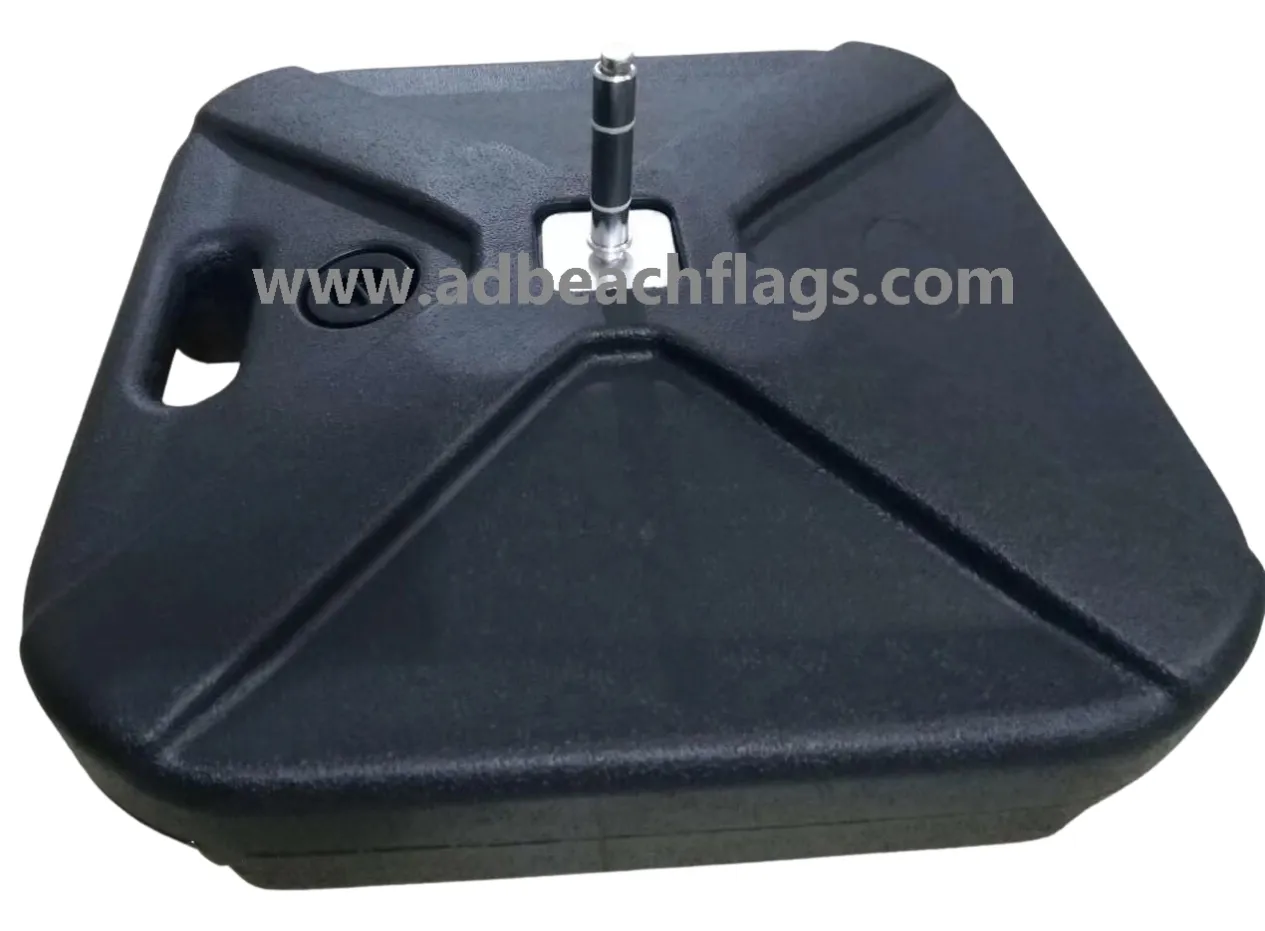
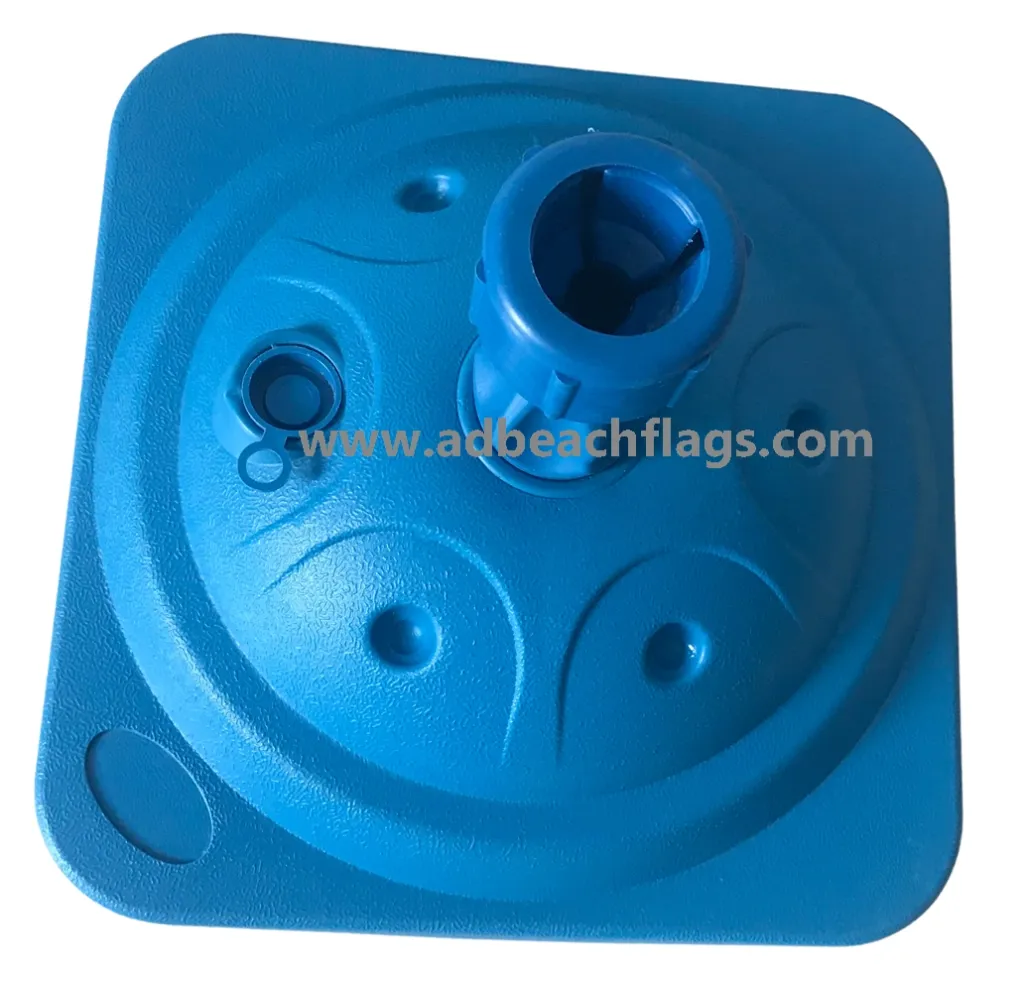
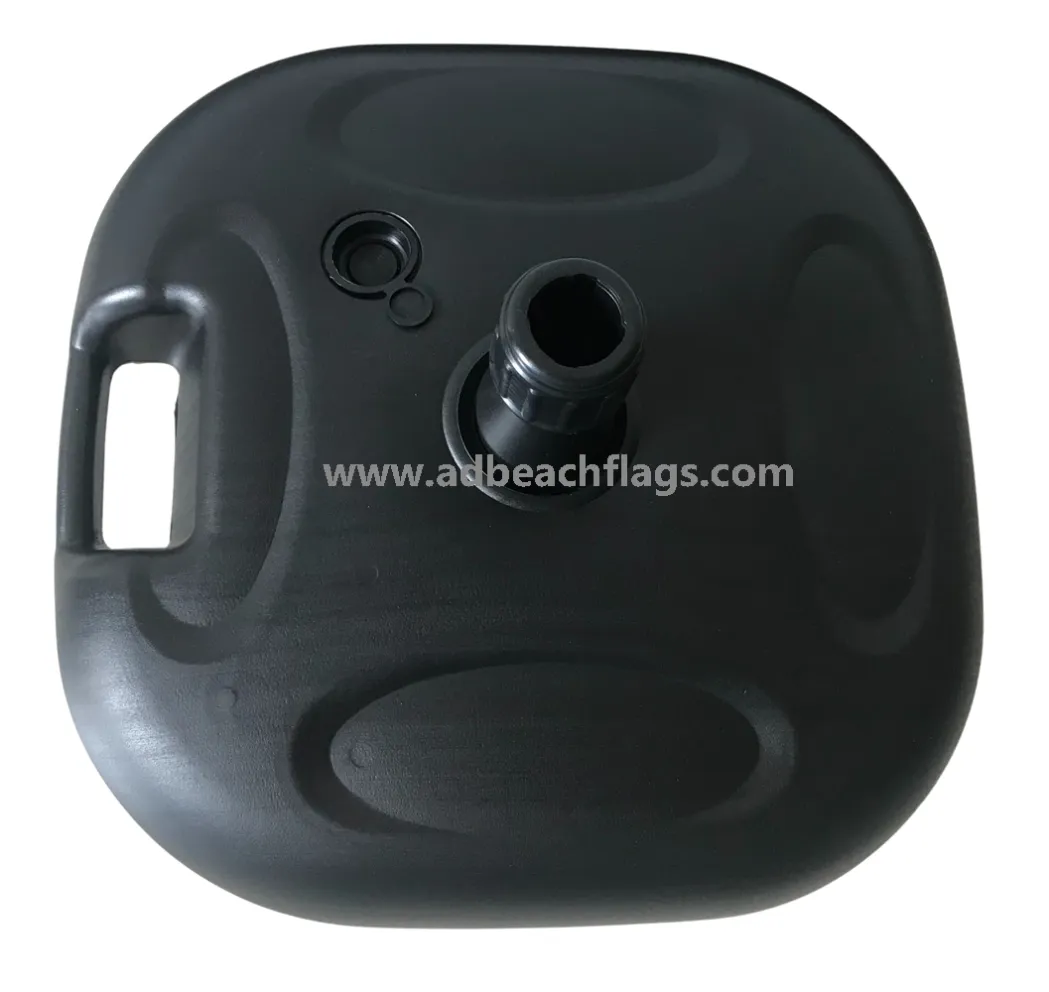
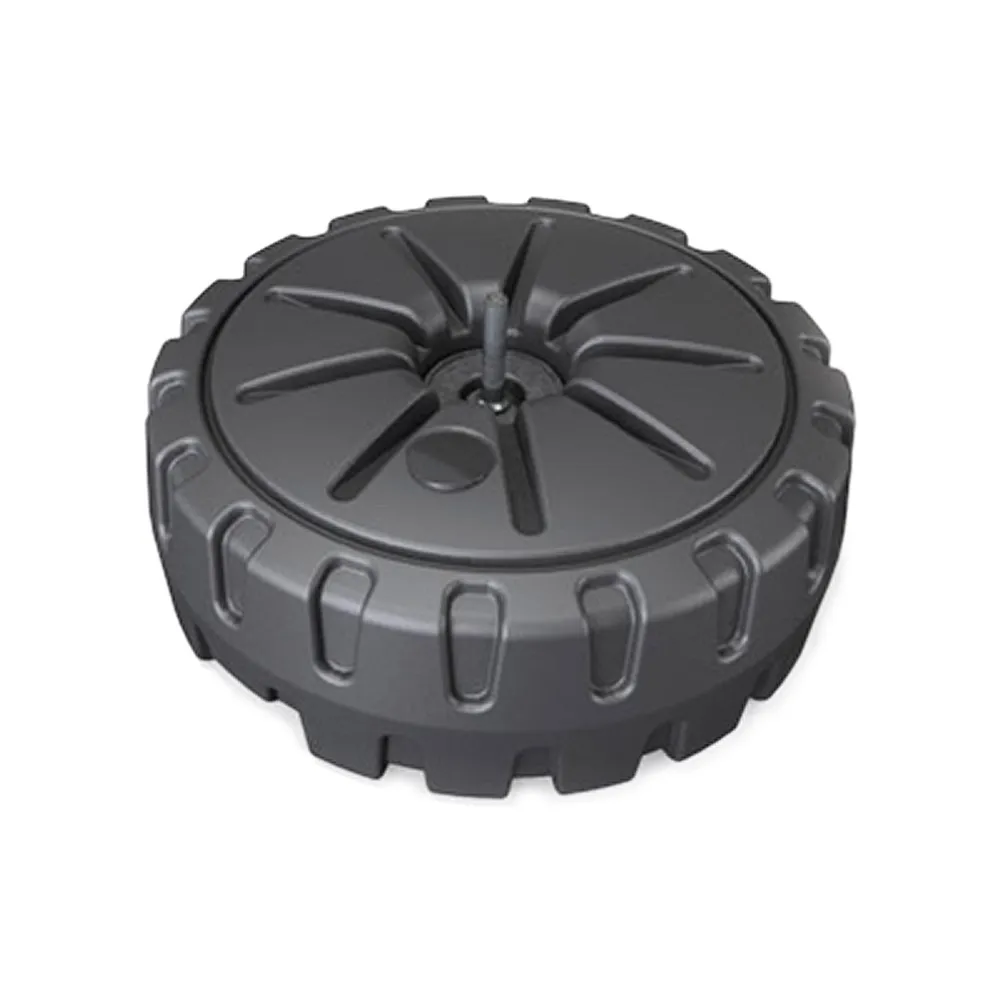
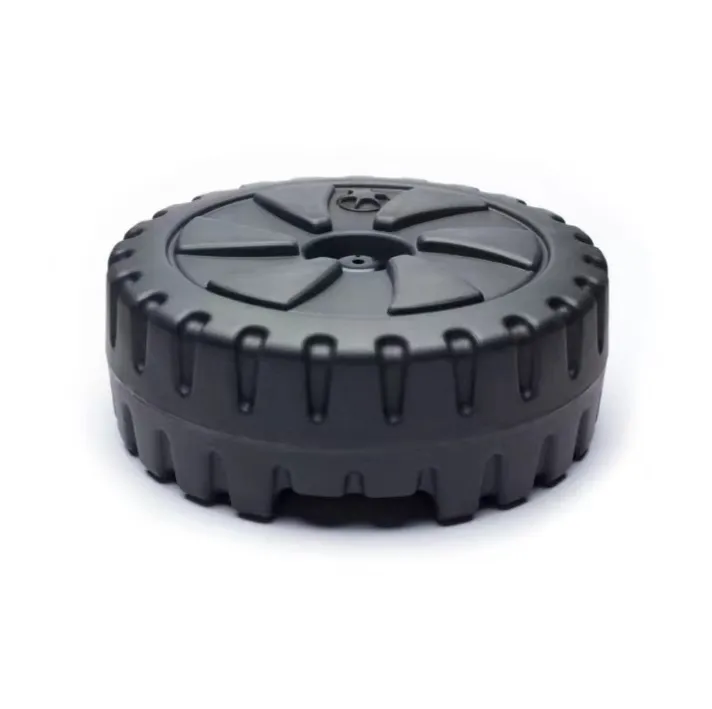
Flag Bases
Water Base Systems for Flag Displays
Water and sand fillable flag bases in four models, 12 to 32 litres, polymer shell with steel socket. For hard ground and exposed sites. Request a bulk quote.
Specifications
Product category
Water and sand fillable flag bases
Models compared
Quality, Economy, Tyre-style and Coloured
Capacity by model
12 to 32 litres across the range; the exact figure is confirmed per model
Filled weight
A full 32 litre tank weighs over 30 kg; per-model filled weight confirmed with the quotation
Flag size by capacity
12 litre for mid-size flags; 20 to 32 litre for large and extra-large
Shell and socket
Polymer shell with a steel socket
Filling
Water on site from any tap; sand where water would freeze
Rotating socket
Optional add-on, not standard on every model
Quality model
Thicker shell for a full outdoor season; the model to quote first
Economy model
Short campaigns and price-sensitive rollouts
Tyre-style model
Reads as site equipment rather than a display stand
Coloured model
Blue, white, red or black to match the frontage
Shipping
Ships empty in its own carton
MOQ and lead time
Confirmed against model, quantity and destination
A water base is the answer when the display has to stand on hard ground for weeks, not hours. It carries its own ballast in a polymer tank, fills from any tap on site, and does not depend on a parked car, a ground spike or a plate.
The range covers four models: a quality build, an economy build, a tyre-style version and a coloured version. They share the same principle and differ in shell construction, finish and price point, so the choice is about budget and presentation rather than about function.
12 to 32 litres capacity · Water or sand fill · Steel socket · Ships empty · Wholesale and OEM
What Is a Water Base?
A water base is a fillable flag base with a polymer shell and a steel socket. The tank is filled with water or sand on site, and the weight of the fill holds the pole upright.
It sits at the opposite end of the family from a plate. A plate carries permanent mass and needs no preparation; a water base carries almost no mass until it is filled, and then carries a lot. That trade is why it travels cheaply and stands firmly.
Bases ship empty in their own carton, which is why a container of water bases weighs far less than the same number of steel plates.
Four Models in the Range
The quality build is the one to specify where the base stays outside through a full season, because shell thickness and fitting quality are what fail first. The economy build covers short campaigns and price-sensitive orders where the base only has to survive the event.
The tyre-style version is a different shell shape, used where the base has to look like site equipment rather than like a display accessory. The coloured version is offered in white, red, black, blue and other colours, which matters where the base sits in front of a shopfront and has to match the presentation.
Confirm the model with the flag size. A model name does not carry a capacity, and the capacity is what decides whether the base holds the flag.
Compare the Four Models, Attribute by Attribute
All four hold the flag the same way: fill on site, lift into place, empty before moving. The differences are how long the shell survives outdoors, how much ballast the site needs, and what the base looks like next to the shopfront. The specification rows above are the comparison; the notes below explain what each row decides.
Capacity is ballast, not flag size
Litres decide how much weight the tank gives you, and weight is what holds the pole up. A 12 litre tank suits a mid-size flag. Twenty litres and above is where large and extra-large flags belong, especially on an exposed site. Filled weight follows capacity: a full 32 litre tank passes 30 kg, which is a two-person lift once it is full and a reason to plan where it stands before the event.
Quality and economy differ in shell, not in principle
Same filling method, same socket, same flag. What changes is shell thickness and finish, and that is what decides how many outdoor seasons the base survives. Economy is the right buy for a short campaign. Quality is the right buy when the base stays outside through a full season, because replacing a split shell costs more than the difference.
Tyre-style changes how the base reads, not what it does
The tyre shape does not change the ballast logic. It changes what the base looks like at a forecourt or a dealership, where a plain tank reads as temporary and a tyre-shaped unit reads as site equipment. If two models hold the same volume, buy the one that looks right where it stands.
Coloured shells are a shopfront decision
Blue, white, red or black matched to the frontage. Where the base sits against a painted wall, confirm the colour on a sample: a shell that is close but not equal reads as a mismatch, and it will be seen every day.
What the quotation has to state
The model, the capacity in litres, the filled weight, the socket size against the pole you are using, whether the rotating socket is included, and the carton size for the empty unit. Capacity and filled weight are the two numbers that decide whether staff can move the base on site, so they belong in writing rather than in a photograph.
What It Solves
Hard ground with no fixing allowed
No drilling, no penetration and no permanent footprint. The base stands on the surface and leaves with the campaign.
Long-term outdoor display
Weeks of exposure need real mass. A filled tank gives it without a steel plate to move and store.
Transport that has to stay cheap
Empty bases stack and ship light. The weight is added at the destination, not paid for twice in freight.
Exposed and coastal sites
The largest capacities suit large and extra-large flags on exposed positions, where a light cross base would be under-specified.
Features, Advantages and Buyer Benefits
Fillable polymer tank
Water or sand, filled from any tap on site. No tools and no specialist equipment.
Steel socket
A steel insert takes the pole, so the load is carried by metal rather than by the polymer shell.
Capacity matched to flag size
Around 12 litres for mid-size flags and 20 to 32 litres for large and extra-large flags on exposed sites.
Colour options
White, red, black, blue and other colours, so the base can sit in front of a shopfront without looking like a leftover.
Optional rotating socket
Where the flag should turn with the wind, a rotating socket is available as an add-on. It is not standard on every model.
Configuration Details to Confirm
Capacity against flag size
This is the primary decision. A full 32 litre tank weighs over 30 kg; a 12 litre tank weighs a fraction of that. Match the capacity to the flag and the exposure, not to the price.
Water or sand
Water is convenient; sand is denser and does not freeze. Where temperatures drop below freezing, water expands and can crack the tank, so sand is the fill.
Socket and rotation
Confirm the socket diameter and whether a rotating socket is specified. The rotating option changes how the flag behaves and is not included by default.
Shell material and finish
Confirm the shell construction and the colour. A thinner shell is fine for a weekend and wrong for a season.
Handling
A 30 kg filled base is not something one person lifts. Confirm whether a handle or wheels exist for the model, and plan the filling point so the base does not have to be carried far.
Where It Works
Forecourts and roadside frontages
Long-term outdoor displays where the base stays in position through a season of weather.
Coastal and exposed positions
Where the wind is continuous and the larger capacities are needed to keep a big flag standing.
Sites that forbid drilling
Retail frontages, leased units and venues where no permanent fixing is permitted.
Shopfronts where appearance matters
The coloured models let the base match the frontage instead of standing out as hardware.
Not suitable for soft ground where a spike or screw anchor is the correct product, and not a substitute for a vehicle base where a parked car is the anchor.
Bulk Supply, Customization and MOQ
Quantity and model mix
Give the total quantity and the split across quality, economy, tyre-style and coloured models. Distributors usually carry at least two tiers.
Colour requirements
For the coloured range, state the colours and quantities per colour. Mixed colour orders need the split recorded because the packing and labelling differ.
Rotating sockets
State how many bases need the rotating socket. It is an add-on line, not part of the standard configuration.
Packing and freight
Bases ship empty, so a carton is bulky but light. Ask for the carton dimensions and gross weight, and compare freight on volume rather than on mass.
MOQ, sample arrangements, production timing and delivery are confirmed against the model and quantity.
Why Choose BESDA
Four models, one decision
Quality, economy, tyre-style and coloured are offered within one range with clear guidance on where each belongs, rather than one model sold as universal.
Capacity matched to the flag
The range covers 12 to 32 litres, so the base can be specified against the flag rather than guessed from the model name.
Checks tied to the order
Shell condition, socket dimensions, cap sealing, colour match and the packed contents are checked against the approved sample and list.
OEM project discussion
BESDA welcomes OEM and custom base enquiries. Submit the flag sizes, capacities, colours and quantities, and confirm the approved scope in writing before ordering.
Frequently Asked Questions
How much weight does a water base add?
A full 32 litre tank weighs over 30 kg. A 12 litre tank is proportionally lighter. The capacity is chosen against the flag size and the exposure.
Water or sand?
Water is convenient and available on site. Sand is denser and does not freeze, which matters where temperatures drop below freezing, because expanding water can crack the tank.
Will the base crack in winter?
A water-filled tank can crack if it freezes. Use sand in freezing conditions, or drain the tank before the cold season.
Does the flag rotate?
Only if a rotating socket is specified. It is an optional add-on rather than a standard feature.
Can one person move it?
An empty base, yes. A 30 kg filled base, no. Plan the filling point so the base does not have to be carried after filling.
How is it shipped?
Empty, in its own carton. That is why a container of water bases is far lighter than the same number of plates.
Which capacity suits my flag?
Around 12 litres for mid-size flags, and 20 to 32 litres for large and extra-large flags on exposed sites. Confirm against the flag and the site rather than the model name.
What information is needed for a quotation?
Send the quantity, the flag sizes, the capacity required, the colours, whether rotating sockets are needed, the destination and the required date.
Product Facts at a Glance
Brand: BESDA. Product: water base systems for flag displays, covering quality, economy, tyre-style and coloured models. Capacity roughly 12 to 32 litres, filled with water or sand, in a polymer shell with a steel socket. A full 32 litre tank weighs over 30 kg. 12 litres suits mid-size flags; 20 to 32 litres suits large and extra-large flags on exposed sites. Rotating socket optional. Bases ship empty. Not suitable for soft ground. Capacity, colour, socket fit and carton dimensions are confirmed per model.
What BESDA Confirms Before Production
Agree the model, the capacity, the shell material and colour, the socket dimensions and whether a rotating socket is required. Confirm the flag size against the capacity and the exposure of the site.
Then confirm the packing: carton dimensions and gross weight per unit, and how many units ship per carton. Set the inspection points for shell condition, socket dimensions, cap sealing, colour match and contents against the approved list.
Request a Wholesale Quote
Tell us the quantity, the flag sizes, the capacity required, the colours, whether you need rotating sockets, the destination and the required date.
Send the brief through the form on this page, by email at info@we-display.net or by WhatsApp on 86-13516610926, and the reply will confirm the configuration to be quoted.
Buying guides for this product:
